
Keeping your windows clean is more than just making your home or office look nice. Knowing what is the difference between window washing and window cleaning helps you choose the right method for your property. Regular window maintenance improves appearance, prevents damage, and ensures both glass and frames last longer. Homeowners and businesses benefit from understanding proper residential window cleaning techniques and professional solutions.
From removing fingerprints to performing high-rise window cleaning, knowing the right tools and methods saves time and money. Learning proper window care tips also helps prevent streaks and ensures windows stay sparkling throughout the year.
Introduction to Window Maintenance
Maintaining clean windows is essential for both homes and commercial buildings. Clear windows allow natural light to brighten interiors, improving mood and energy efficiency. They make spaces look fresh, welcoming, and professionally maintained. Neglecting window maintenance can lead to permanent stains, dirt buildup, and damage to window frames and sills. Dust, pollen, and other debris settle quickly, especially in areas with dry climates. In Arizona, dust storms make regular upkeep even more necessary to prevent scratches and grime accumulation on glass surfaces.
Proper care involves not just washing but also periodic deep cleaning to maintain both appearance and structural integrity. Regular attention prevents mold and mildew formation and keeps frames strong. Whether for a small residential home or a high-rise commercial building, investing time in cleaning and maintenance ensures windows last longer and look polished. Combining home window upkeep with professional services when needed ensures clarity and functionality while reducing repair costs over time.
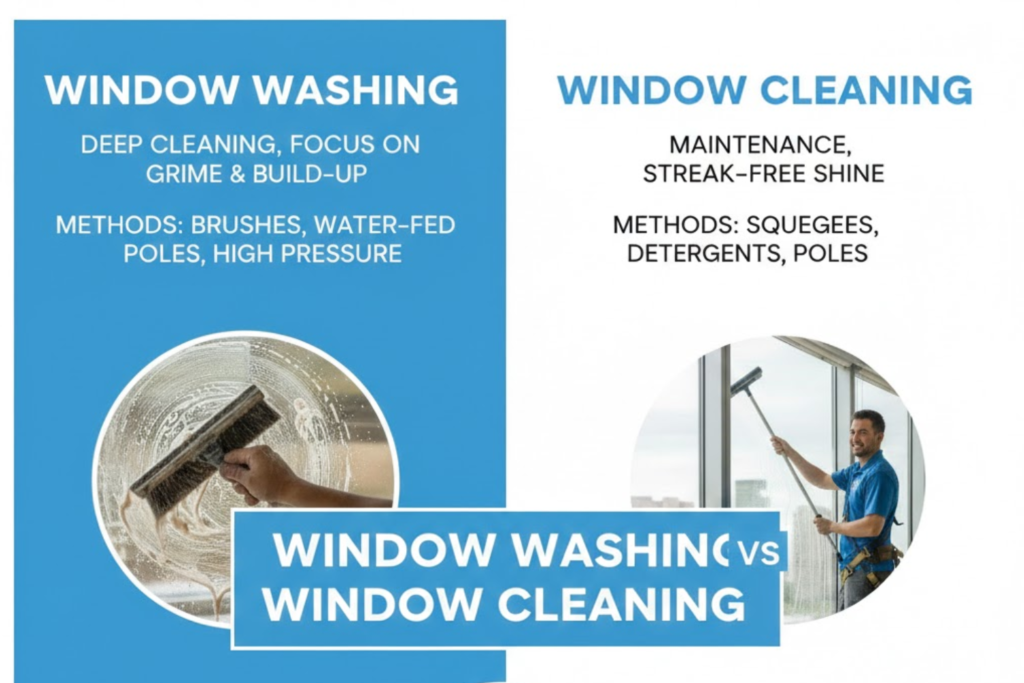
Understanding the Importance of Clean Windows
Clean windows do more than improve aesthetics. They contribute to healthier indoor air by preventing dust and allergens from accumulating on surfaces. This is especially important for families and offices in urban areas where pollution can cause grime to build up quickly. Well-maintained windows allow maximum sunlight, which helps reduce energy costs and enhances indoor environments. In commercial spaces, sparkling windows project a professional image, instilling confidence in clients and visitors. Homeowners and business owners alike benefit from consistent attention to both glass and frames.
Moreover, windows are vulnerable to environmental stress, including UV rays, wind, and moisture. Failing to clean windows properly can lead to discoloration, water spots, and weakening of frames. Integrating window care tips like scheduling washing and occasional deep cleaning ensures that both glass and frame are protected. Professionals recommend combining DIY window washing techniques for frequent maintenance with occasional professional services for thorough cleaning, creating a balance that maintains both appearance and durability.
What is Window Washing?
Window washing focuses on surface-level cleaning. It primarily targets the glass to remove dust, fingerprints, smudges, and streaks. The goal is to maintain clear visibility and improve the look of any property. It is typically done often because dirt and environmental particles accumulate quickly. Tools for washing include sponges, squeegees, soft cloths, and mild detergents. This process is simple but requires the correct technique to avoid streaks and watermarks. Using window washing tools effectively can make even DIY efforts produce professional-looking results.
Window washing is a regular activity that ensures the glass remains clear and spotless. It is particularly important in regions like Arizona, where dust and pollen can settle quickly on exposed surfaces. Homes and offices benefit from frequent washing as it reduces the need for more intensive cleaning later. A consistent routine also protects window frames and prolongs the life of glass. Even basic washing enhances both residential window cleaning and commercial settings, helping properties look well-maintained and welcoming.
Definition and Key Features
Window washing involves cleaning only the glass surface using simple tools such as squeegees, sponges, and water-based solutions. The focus is on removing superficial dirt, streaks, and fingerprints without addressing the frames or sills. This method is ideal for frequent maintenance as it is quick and straightforward. Effective washing improves visibility, enhances sunlight penetration, and prevents minor damage caused by debris. While simple, it requires attention to technique to achieve streak-free results consistently.
It is widely used in both residential and commercial properties. Homeowners often use DIY window washing techniques to maintain clear glass, while commercial establishments may employ professional window washing periodically. Regular washing prevents dirt from becoming embedded or hard to remove, making it easier to maintain a polished appearance. The main objective is surface cleaning versus deep cleaning, focusing on clarity and aesthetics rather than structural maintenance.
What is Window Cleaning?
Window cleaning goes beyond surface washing and includes both the glass and surrounding components such as frames and sills. It is a comprehensive method that aims to restore the window to a pristine condition. Cleaning often involves modern tools such as steam cleaning windows, eco-friendly detergents, and protective coatings. This type of care is less frequent but much more thorough, addressing stains, mineral deposits, and any grime that washing alone cannot remove. Window cleaning is ideal for seasonal maintenance or after exposure to harsh weather.
Professional cleaning ensures that every part of the window is attended to. Frames are wiped, sills cleared, and sometimes coatings are applied to reduce future staining. Cleaning also prevents long-term deterioration of the window structure. In Arizona, where intense sunlight and dust are common, a comprehensive cleaning routine protects both the glass and frames while enhancing the overall appearance of homes and commercial properties. Streak-free window cleaning is a key benefit of this approach.
Definition and Key Features
Window cleaning is more extensive than washing, targeting both glass and window components. Professionals use water-fed pole cleaning and advanced detergents to remove hard-to-reach grime. Steam and eco-friendly methods ensure deep cleaning without damaging surfaces. Cleaning maintains hygiene, prevents deterioration, and provides a polished look. This process is crucial for high-rise buildings, commercial spaces, and homes that face environmental stress. Deep cleaning also extends window lifespan, reduces maintenance costs, and enhances sunlight exposure.
Key Differences Between Window Washing and Window Cleaning
Window washing and window cleaning differ mainly in scope, tools, and frequency. Washing focuses on the glass surface to remove dust, fingerprints, and minor smudges. It is performed frequently to maintain a clear view and polished appearance. Cleaning, on the other hand, is more comprehensive. It includes frames, sills, and any protective coatings, aiming to improve both appearance and structural integrity. Tools for cleaning are often professional-grade, such as water-fed poles and steam cleaners, while washing requires simpler tools like squeegees and sponges.
Frequency also sets them apart. Washing is usually done weekly or bi-weekly, especially in dusty regions. Cleaning is performed a few times a year, depending on climate, pollution, and property type. In Arizona, homeowners and businesses often combine frequent washing with periodic cleaning to counter the effects of dust storms and intense sunlight. Understanding these differences ensures that windows are maintained effectively, preventing unnecessary damage and reducing long-term maintenance costs.
Comparison Table
| Feature | Window Washing | Window Cleaning |
| Scope | Surface-level glass cleaning | Complete window and frame maintenance |
| Tools | Sponge, squeegee, soap solution | Includes washing, polishing, and treatments |
| Frequency | Often frequent | Less frequent, more thorough |
| Goal | Appearance and clarity | Hygiene, maintenance, and appearance |
Techniques Used in Window Washing
Effective window washing requires proper technique and the right tools. Starting from the top and working downwards prevents streaks and ensures even cleaning. Sponges or soft cloths remove dirt, while squeegees help create a streak-free finish. Cleaning solutions for windows vary from mild soaps to professional detergents, depending on dirt levels. For residential window cleaning, small adjustments like angled squeegees or microfiber cloths can make a big difference in results.
Consistency is crucial. Frequent washing reduces the buildup of stubborn stains and makes the process faster over time. In commercial window washing services, trained professionals often use additional equipment to reach higher windows safely. In Arizona, where dust settles rapidly, homeowners may notice that washing every two to three weeks maintains clarity, while waiting longer allows dirt and pollen to leave permanent marks. Following a step-by-step process ensures windows remain visually appealing and reduces long-term maintenance costs.

Step-by-Step Guide for Effective Washing
Begin by spraying the window with water or cleaning solution, ensuring the entire surface is wet. Use a sponge or cloth to remove dirt in circular motions, paying attention to corners. Then, move a squeegee from top to bottom, wiping it clean between strokes. Finally, check for streaks and touch up edges with a cloth. This method works for both DIY window washing technique and professional maintenance, ensuring a streak-free shine.
Techniques Used in Window Cleaning
Window cleaning involves deeper and more thorough methods. Professionals often use steam cleaning windows to remove grime that surface washing cannot tackle. Water-fed pole cleaning allows access to high windows safely, while eco-friendly solutions provide effective results without harmful chemicals. Frame and sill cleaning is included, ensuring the entire window is maintained for both hygiene and longevity.
Deep cleaning also enhances window durability. Professional services polish windows to restore shine and apply protective coatings to prevent future buildup. In Arizona, with strong sunlight and heavy dust, regular professional cleaning prevents fading and scratches on glass and frames. Commercial buildings, high-rise apartments, and luxury homes benefit from these advanced methods, which combine safety, efficiency, and superior results that DIY washing alone cannot achieve.
Comprehensive Cleaning Methods
Comprehensive cleaning includes surface washing, frame care, and polishing. Steam, water-fed poles, and professional detergents remove stubborn dirt and mineral deposits. Protective treatments prevent streaks and maintain shine. Regular deep cleaning improves longevity, supports hygiene, and ensures windows reflect sunlight beautifully, creating an inviting and healthy environment.
Common Misconceptions About Window Washing and Cleaning
Many people believe window washing and window cleaning are the same. This misconception leads to improper care, resulting in streaks, frame damage, and faster deterioration. Washing only addresses the glass surface and must be done frequently. Cleaning, however, tackles deep grime, sills, frames, and protective coatings, which reduces long-term maintenance needs and improves both appearance and durability.
Another common mistake is underestimating the need for professional services. Homeowners often rely solely on washing, thinking it is enough, especially for high-rise or commercial windows. Understanding the distinction between surface cleaning and deep cleaning helps create an effective window care schedule that balances frequent washing with occasional professional cleaning. Arizona residents, in particular, benefit from professional attention due to harsh environmental conditions.
What People Often Get Wrong
People often assume that washing is sufficient for all window maintenance needs. Neglecting frame and sill care can lead to damage and reduced lifespan. Deep cleaning ensures structural health, prevents stains, and maintains clarity, which is essential for both residential and commercial properties.
Benefits of Professional Window Cleaning Services
Hiring professional window cleaning services offers significant advantages. Experts have the tools, training, and solutions to clean windows efficiently, reaching high or hard-to-access areas safely. Their methods ensure streak-free results and protect the integrity of glass and frames. Professional services are especially valuable for commercial buildings or high-rise homes where DIY methods are risky or impractical.
Long-term savings are another benefit. Professionals prevent costly repairs by maintaining both glass and structural components. In Arizona, where dust, sun, and pollution can accelerate wear, professional cleaning ensures longevity, better aesthetics, and healthier indoor air. Combining frequent DIY washing with occasional professional cleaning achieves optimal maintenance and keeps properties looking polished year-round.
Why Hire Experts
Experts bring safety, efficiency, and expertise to window cleaning. They use professional equipment, know proper techniques, and apply protective treatments to prevent damage. Hiring them saves time, ensures consistent results, and enhances both visual appeal and window lifespan.
DIY vs Professional Window Care
DIY window washing is practical for routine maintenance and smaller windows. It requires minimal tools and allows homeowners to maintain clarity without waiting for professional services. Techniques like squeegee strokes, microfiber cloth usage, and proper solution application achieve good results for residential spaces. However, DIY is limited when windows are tall, large, or exposed to extreme environmental conditions.
Professional cleaning complements DIY efforts. It is ideal for deep cleaning, frame care, and high-rise or commercial windows. In Arizona, professional attention ensures dust and sun do not damage surfaces over time. Homeowners can balance costs and effectiveness by washing regularly themselves and hiring professionals periodically to maintain overall window health, polish, and shine.
Pros and Cons of Each Approach
DIY washing is cost-effective and flexible but may miss grime in hard-to-reach areas. Professional cleaning is thorough, safe, and long-lasting but more expensive. The best approach combines both: frequent DIY washing with occasional professional services ensures clean, durable windows.
Top Tips for Maintaining Spotless Windows
Keeping your windows clean and well-maintained requires regular care and the right techniques. Whether you are doing it yourself or hiring professionals, following these tips ensures streak-free glass, longer-lasting frames, and a polished look for your home or commercial property.
- Clean windows regularly to prevent dust, pollen, and grime from accumulating.
- Use proper tools like squeegees, microfiber cloths, and soft sponges.
- Apply mild or eco-friendly cleaning solutions to avoid streaks and surface damage.
- Always clean windows from top to bottom to prevent drips and streaking.
- Include frames and sills in your cleaning routine to prevent mold and dirt buildup.
- For high or hard-to-reach windows, use professional services or water-fed pole systems.
- Schedule deep cleaning periodically, especially in dusty regions like Arizona.
- Avoid cleaning in direct sunlight to prevent quick drying and streaks.
Frequency and Scheduling Tips
Windows should be washed regularly, typically every two to four weeks for homes, depending on exposure to dust and environmental debris. Deep cleaning should be scheduled a few times a year to maintain frames, sills, and protective coatings. Commercial properties often require more frequent cleaning due to higher traffic and pollution. Arizona residents must adjust schedules based on dust storms and sunlight intensity to protect both glass and frames.
Creating a proper cleaning schedule prevents long-term damage, keeps windows looking fresh, and improves indoor air quality. Combining surface cleaning with deep cleaning at appropriate intervals enhances durability, reduces costs, and maintains a polished, professional appearance for any property.
How Often Should Windows Be Washed or Cleaned?
Wash windows frequently to remove dust, fingerprints, and pollen. Deep cleaning should be done at least twice a year, focusing on frames, sills, and hard-to-reach areas. Adjust frequency according to climate, building location, and environmental exposure to maintain long-term clarity and durability.
Conclusion
Understanding the difference between window washing and window cleaning is essential for proper window maintenance. Washing keeps glass clear and streak-free, while cleaning ensures frames, sills, and structural elements are maintained. Using both methods together improves durability, appearance, and overall hygiene. Homeowners and businesses in Arizona and across the USA can achieve long-lasting, polished results by combining routine washing with professional deep cleaning.
FAQs
1. What is the main difference between window washing and window cleaning?
Window washing focuses on cleaning glass surfaces only, while window cleaning includes frames, sills, and deep maintenance for durability.
2. How often should I wash my windows?
For homes, every 2–4 weeks is recommended. Commercial spaces may need more frequent cleaning depending on dirt and dust exposure.
3. When should I hire professional window cleaning services?
Professional services are ideal for high-rise windows, deep cleaning, or when frames and sills require maintenance beyond basic washing.
4. Can I use DIY methods for all my windows?
DIY techniques work for small or accessible windows, but high or hard-to-reach windows are safer and more effective with professionals.
5. What tools are needed for effective window washing?
Basic tools include squeegees, sponges, microfiber cloths, and mild cleaning solutions for streak-free results.
6. Is professional window cleaning safe for high-rise buildings?
Yes, experts use water-fed poles, safety harnesses, and proper equipment to clean high-rise windows safely and efficiently.
7. Does window cleaning improve indoor air quality?
Yes, thorough cleaning removes dust, allergens, and mold from glass, frames, and sills, contributing to healthier indoor environments.
8. Are eco-friendly cleaning solutions effective?
Eco-friendly solutions are safe, non-toxic, and effective in removing dirt, streaks, and grime without harming surfaces or the environment.
9. How long does professional window cleaning last?
Typically, results last 3–6 months depending on exposure to dust, rain, and local climate conditions like those in Arizona.
10. What is streak-free window cleaning and why is it important?
It ensures clear, spotless glass without smudges, enhancing visibility, sunlight entry, and overall property appearance.